Why the Bank of England keeps raising rates

Written by Kyle Eaton, Contributing writer
23 Mar 2023
For the 11th month in a row interest rates have been increased by the Bank of England - with seemingly no effect at all on inflation. This is why they're still doing it.
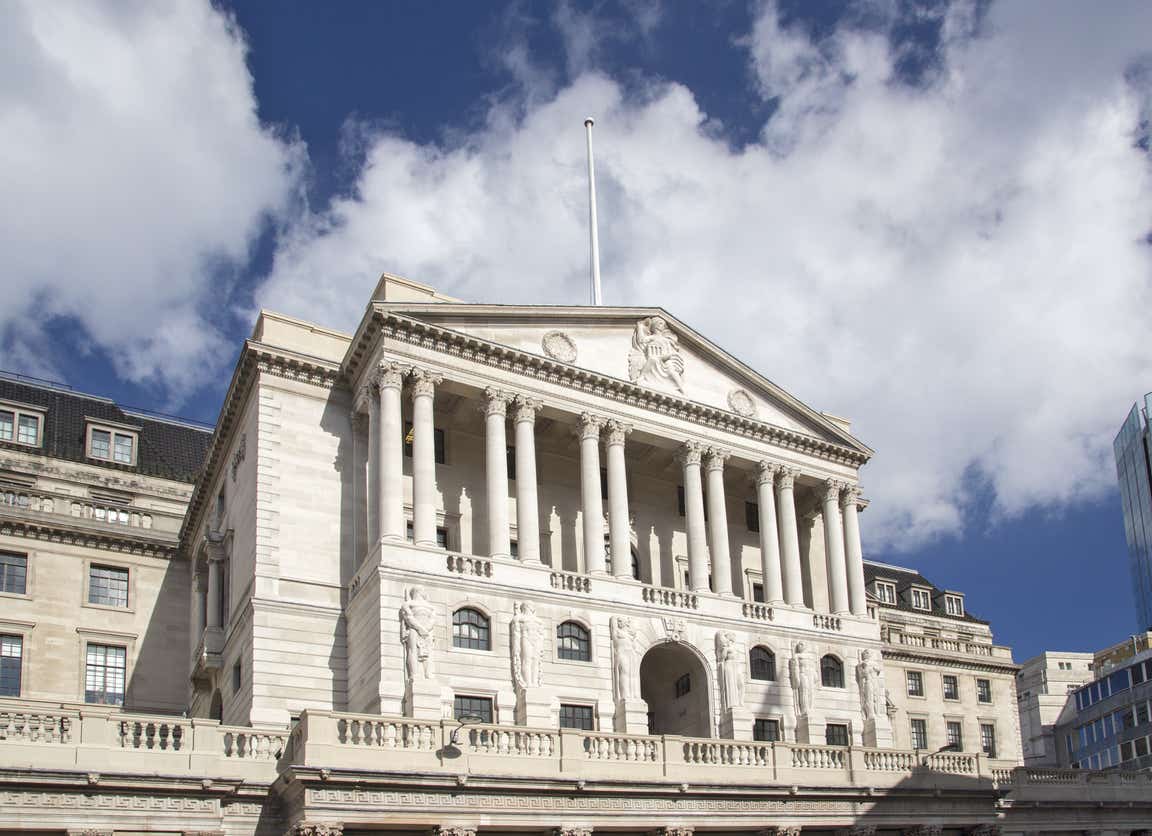
The Bank of England has now increased interest rates 11 times in a row
We thought this might be the one, the first time since 2021 that the Bank of England didn’t raise interest rates. It wasn’t.
Just when inflation looked like it was dropping, it rose again - impervious, it seems, to ten interest rate rises in a row.
So why are the Bank of England still doing it? After 11 rises in a row- equalling the all time record in the 329 years of the Bank of England’s history, and the last one came with a few months off in the middle - isn’t it time to stop and try something new?
The answer, sadly, is that because against today’s inflation the Bank’s rate-setting Monetary Policy Committee is trapped between a rock and a hard place, and shooting to wound, not kill.
Because while domestic rate rises can barely scratch the international inflation monster, they’re more than enough to kill the UK economy.
So the Bank is walking a line - sliding interest rates up as slowly as it can, taking aim at inflation in six months, or a year’s time, rather than inflation today.
Bank of England base rate - 2008 to 2024
| Month | Base Rate |
| January 2008 | 5.5% |
| February | 5.25% |
| March | 5.25% |
| April | 5% |
| May | 5% |
| June | 5% |
| July | 5% |
| August | 5% |
| September | 5% |
| October | 4.5% |
| November | 3% |
| December | 2% |
| January 2009 | 1.5% |
| February | 1% |
| March | 0.5% |
| April | 0.5% |
| May | 0.5% |
| June | 0.5% |
| July | 0.5% |
| August | 0.5% |
| September | 0.5% |
| October | 0.5% |
| November | 0.5% |
| December | 0.5% |
| January 2010 | 0.5% |
| February | 0.5% |
| March | 0.5% |
| April | 0.5% |
| May | 0.5% |
| June | 0.5% |
| July | 0.5% |
| August | 0.5% |
| September | 0.5% |
| October | 0.5% |
| November | 0.5% |
| December | 0.5% |
| January 2011 | 0.5% |
| February | 0.5% |
| March | 0.5% |
| April | 0.5% |
| May | 0.5% |
| June | 0.5% |
| July | 0.5% |
| August | 0.5% |
| September | 0.5% |
| October | 0.5% |
| November | 0.5% |
| December | 0.5% |
| January 2012 | 0.5% |
| February | 0.5% |
| March | 0.5% |
| April | 0.5% |
| May | 0.5% |
| June | 0.5% |
| July | 0.5% |
| August | 0.5% |
| September | 0.5% |
| October | 0.5% |
| November | 0.5% |
| December | 0.5% |
| January 2013 | 0.5% |
| February | 0.5% |
| March | 0.5% |
| April | 0.5% |
| May | 0.5% |
| June | 0.5% |
| July | 0.5% |
| August | 0.5% |
| September | 0.5% |
| October | 0.5% |
| November | 0.5% |
| December | 0.5% |
| January 2014 | 0.5% |
| February | 0.5% |
| March | 0.5% |
| April | 0.5% |
| May | 0.5% |
| June | 0.5% |
| July | 0.5% |
| August | 0.5% |
| September | 0.5% |
| October | 0.5% |
| November | 0.5% |
| December | 0.5% |
| January 2015 | 0.5% |
| February | 0.5% |
| March | 0.5% |
| April | 0.5% |
| May | 0.5% |
| June | 0.5% |
| July | 0.5% |
| August | 0.5% |
| September | 0.5% |
| October | 0.5% |
| November | 0.5% |
| December | 0.5% |
| January 2016 | 0.5% |
| February | 0.5% |
| March | 0.5% |
| April | 0.5% |
| May | 0.5% |
| June | 0.5% |
| July | 0.5% |
| August | 0.25% |
| September | 0.25% |
| October | 0.25% |
| November | 0.25% |
| December | 0.25% |
| January 2017 | 0.25% |
| February | 0.25% |
| March | 0.25% |
| April | 0.25% |
| May | 0.25% |
| June | 0.25% |
| July | 0.25% |
| August | 0.25% |
| September | 0.25% |
| October | 0.25% |
| November | 0.5% |
| December | 0.5% |
| January 2018 | 0.5% |
| February | 0.5% |
| March | 0.5% |
| April | 0.5% |
| May | 0.5% |
| June | 0.5% |
| July | 0.5% |
| August | 0.75% |
| September | 0.75% |
| October | 0.75% |
| November | 0.75% |
| December | 0.75% |
| January 2019 | 0.75% |
| February | 0.75% |
| March | 0.75% |
| April | 0.75% |
| May | 0.75% |
| June | 0.75% |
| July | 0.75% |
| August | 0.75% |
| September | 0.75% |
| October | 0.75% |
| November | 0.75% |
| December | 0.75% |
| January 2020 | 0.75% |
| February | 0.25% |
| March | 0.1% |
| April | 0.1% |
| May | 0.1% |
| June | 0.1% |
| July | 0.1% |
| August | 0.1% |
| September | 0.1% |
| October | 0.1% |
| November | 0.1% |
| December | 0.1% |
| January 2021 | 0.1% |
| February | 0.1% |
| March | 0.1% |
| April | 0.1% |
| May | 0.1% |
| June | 0.1% |
| July | 0.1% |
| August | 0.1% |
| September | 0.1% |
| October | 0.1% |
| November | 0.1% |
| December | 0.25% |
| January 2022 | 0.25% |
| February | 0.5% |
| March | 0.75% |
| April | 0.75% |
| May | 1% |
| June | 1.25% |
| July | 1.25% |
| August | 1.75% |
| September | 2.25% |
| October | 2.25% |
| November | 3% |
| December | 3.5% |
| January 2023 | 3.5% |
| February | 4% |
| March | 4.25% |
| April | 4.25% |
| May | 4.5% |
| June | 5% |
| July | 5% |
| August | 5.25% |
| September | 5.25% |
| October | 5.25% |
| November | 5.25% |
| December | 5.25% |
| February | 5.25% |
| March | 5.25% |
| May | 5.25% |
| June | 5.25% |
| July | 5.25% |
| August | 5% |
| September | 5% |
| October | 5% |
| November | 4.75% |
Earn interest tax free with a cash ISA.
The lesser of two evils
The sad thing is that, to stop inflation later on, they’re hurting the economy now.
Rate rises make it harder to pay back loans, more expensive to borrow money - sucking cash out of the economy now.
This means less money for the pay rises many workers need to meet the cost of rising bills, and less for people to spend on things they enjoy.
More than that, it means more companies are likely to go bust. More people made redundant. More homes likely to be repossessed.
This isn’t an accident. It’s the plan.
Because the fear is that if companies pay staff more now, that pay rise is still around next year, and the year after that, and the year after that.
And if that happens, today’s international inflation monster could morph into one that is British to its core - and could live on far longer than the effect of higher energy prices will.
The only way the Bank can stop that is to make sure as few of those pay rises as possible happen now.
It’s a high price, but - at least for now as far as the Bank seems to see - the lesser of the two evils.